Blog ·
Water Damage to Your Carpets: Recognition, Recovery, and Prevention
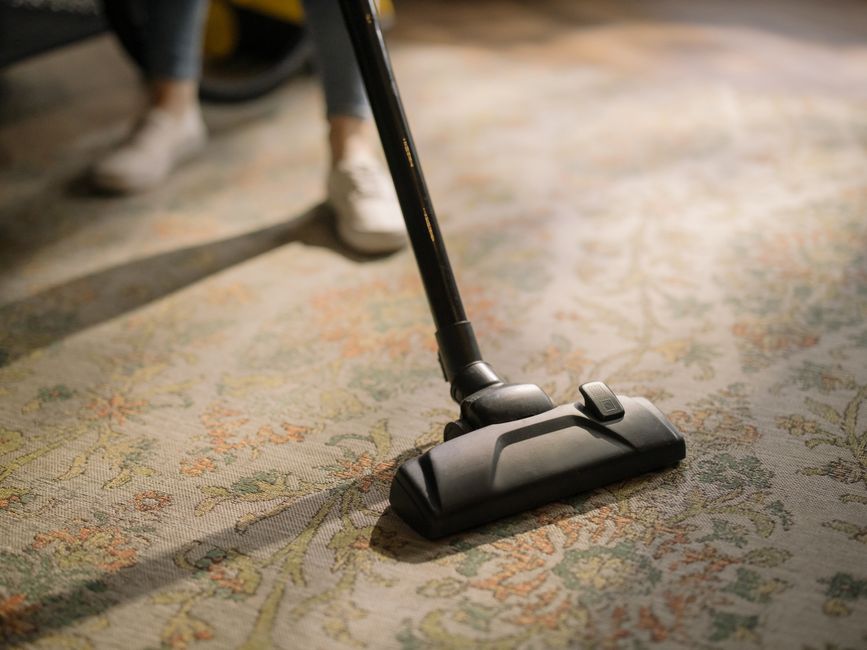
Water damage in carpets happens faster than most people realize. Whether from flooding, burst pipes, or significant spills, water seeping into carpet fibers creates multiple problems that extend far beyond the surface. Understanding what occurs—and how to respond—protects your investment and your home.
What Happens When Water Reaches Your Carpet
Water penetrates carpet fibers and backing, traveling into the padding underneath. Within hours, moisture creates an environment where mold and mildew begin to develop. The longer water sits, the deeper the damage spreads. Your carpet doesn't just look wet; structural damage occurs at layers you cannot see. The backing separates, padding breaks down, and odors develop that simple drying cannot eliminate.
Different carpet types absorb water differently. Natural fibers like wool trap moisture longer, while synthetic materials may dry faster but still harbor bacterial growth beneath the surface. The underlayment—the padding under your carpet—becomes a sponge that retains moisture for weeks if not properly treated.
Beyond Visible Water Damage
Secondary damage appears in hidden places. Subfloors swell. Mold colonies establish themselves in carpet backing. Odors and stubborn water stains become permanent fixtures. What begins as a manageable water incident becomes structural damage if not addressed immediately and thoroughly.
Why Professional Water Damage Response Matters
Our advanced carpet cleaning equipment removes water and moisture from fibers, padding, and substructure that household methods cannot reach. Steam cleaning technology, used strategically after water extraction, sanitizes and prevents bacterial growth. We identify damage patterns that indicate where moisture has traveled, ensuring no hidden pockets remain untreated.
For upholstered furniture affected by water damage, our expert upholstery cleaning addresses not just surface wetness but deep moisture trapped in cushioning and fabric layers. Fine rugs require specialized attention; wool and natural fiber rugs demand particular care during water damage recovery to prevent permanent distortion.
Next Steps After Water Exposure
Immediate action prevents permanent damage. Remove standing water first if safe to do so. Increase air circulation through open windows and fans. Then contact us for professional assessment and restoration. We evaluate carpet saturation, check for mold indicators, and determine whether your carpet can be salvaged or requires replacement.
Water damage doesn't need to mean permanent loss. Professional intervention—within the critical window before secondary damage sets in—restores carpets and upholstery effectively. Our targeted approach treats each situation based on water type, carpet material, and damage extent.